
The Greater Horn of Africa is expected to be warmer and wetter than usual in the last quarter of 2026 as El Niño shifts atmospheric circulation dramatically. This implies a high chance of seasonal rainfall exceeding 400 mm in parts of Kenya. For Kenya, this comes after widespread flooding during the March–May 2026 long rains, which affected 27 counties, claimed 122 lives, and impacted 42,259 people.
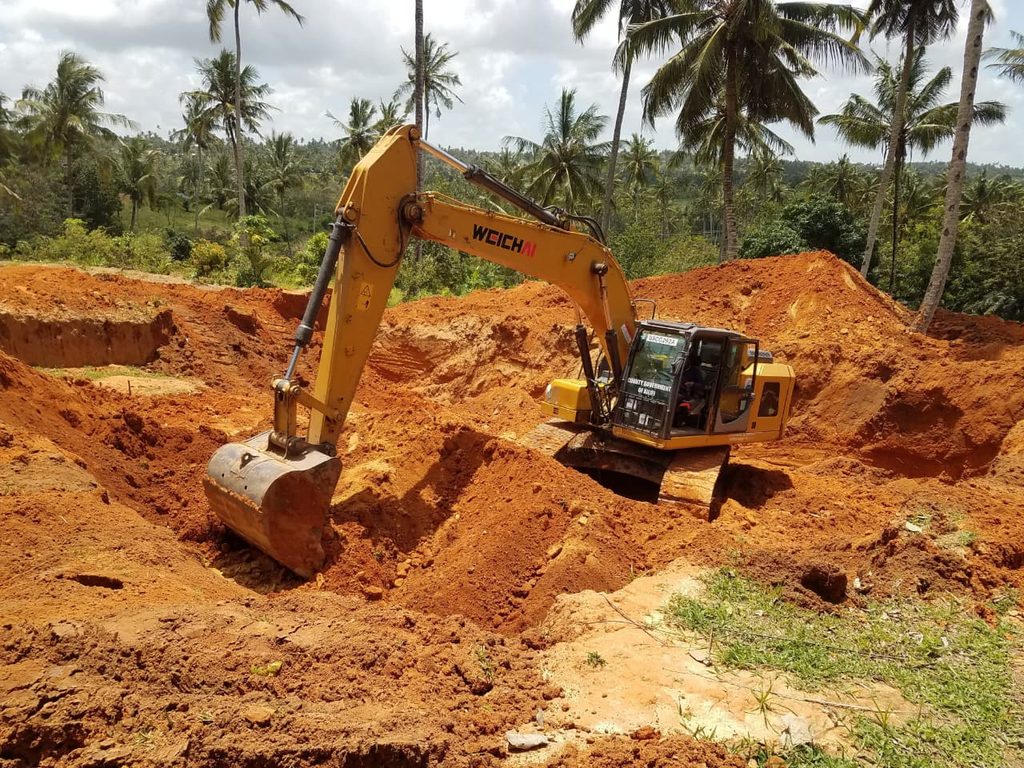
An integral factor in EFF’s work is water conservation, pertaining to climate resilience and adaptation. To this end, EFF Kenya has been digging water ponds for rainwater capture in the Kenyan coast since 2024 for the Matsangoni Agroforestry and Food Security Project. This year EFF’s efforts will prove to be particularly significant in the semi-arid areas we work in because of El Nino.24 rainwater harvesting ponds are being dug by EFF Kenyain partnership with the County Government of Kilifi.Once complete, the 24 ponds will hold approximately 20,000 cubic metres, or 20 million litres, of water.The initiative is part of the wider Tukuze Agroforestry Project, being implemented in partnership with ETG Climate Solutions, and which works with over 30,000 smallholder farmers across Kilifi County to plant cashew and moringa trees on their farms.
EFF Kenya signed a Memorandum of Understanding with the County Government of Kilifi, through the Department of Agriculture, Livestock Development, Blue Economy and Irrigation on 4th June 2026 to use the government’s resources to create the ponds. Through this partnership the water reservoirs will be excavatedacross selected areas in Ganze, Rabai, Kaloleni, Kilifi North, and Kilifi South. The ponds are designed to store water for irrigation and to reduce the runoff during heavy rains.
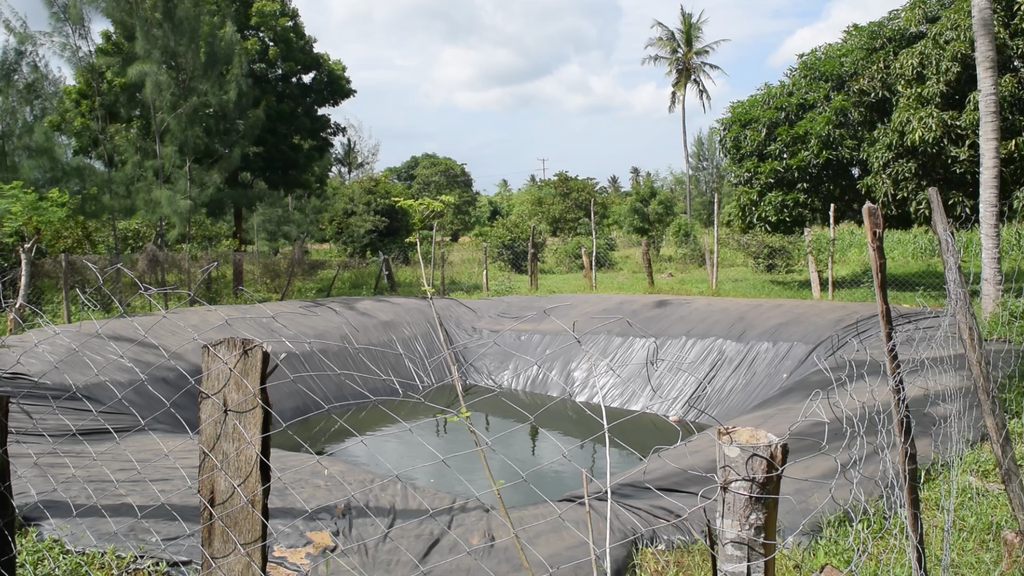
Water harvesting is a critical component of the Tukuze Agroforestry Project because tree survival during dry periods depends on reliable access to water. This is a well document tactic for adapting to climate change. These ponds will support vegetable production and other household needs, providing resilience during dry spells.This quarter, 18 water ponds have been dug, providing approximately 10,503 cubic metres of water storage capacity. Excavation of the remaining six ponds will continue in the coming months.

The work has received recognition at the national level. During the commemoration of World Desertification and Drought Day on June 17 in Kilifi County, EFF received a certificate presented by the Deputy President of Kenya, Professor Kithure Kindiki, for the Foundation’s contribution to environmental conservation and restoration efforts.