
+VALOR: A New Chapter for Smallholders in Cabo Delgado
+VALOR: A New Chapter for Smallholders in Cabo Delgado
EFF’s presence in Mozambique has grown steadily over recent years. The USAID‑funded Climate Smart Cashew Project concluded in 2025 after producing and distributing over 100,000 cashew seedlings to more than 3,500 farmers across Nampula Province, who also received Rainforest Alliance Certification. Concurrently, the ongoing IFC‑ETG‑EFF initiative is being rolled out in Manica Province, focused on improving last‑mile input distribution, productivity, and market linkages for smallholder farmers.
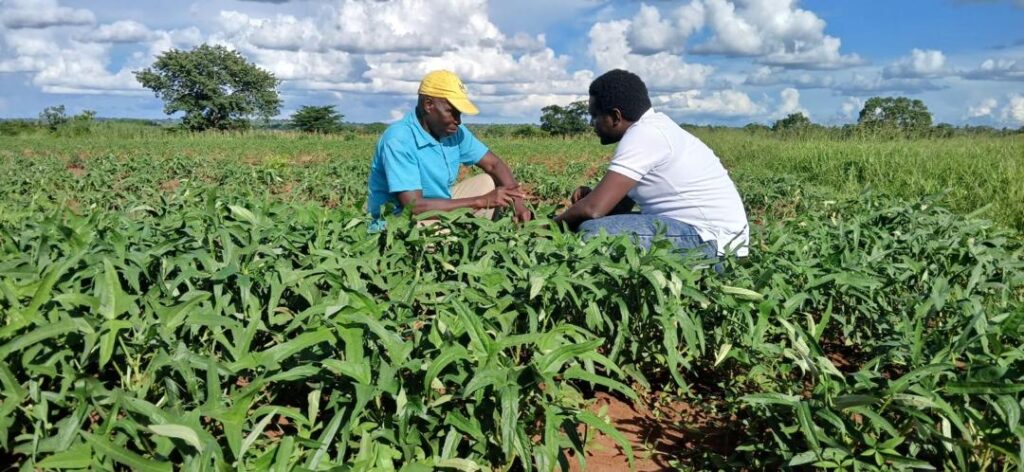
Adding to these efforts, we are proud to announce our newest endeavour: the +VALOR Project. Short for Valorização Agrícola com Ligação a Oportunidades de Rendimento — “Agricultural Value Addition with Links to Income Opportunities” — this initiative marks EFF’s entry into Cabo Delgado Province, where we will work with 5,000 smallholders to facilitate production and sale of cashew, sesame, sorghum, horticultural crops, and honey for increased household income and food security.
Strong Government Backing
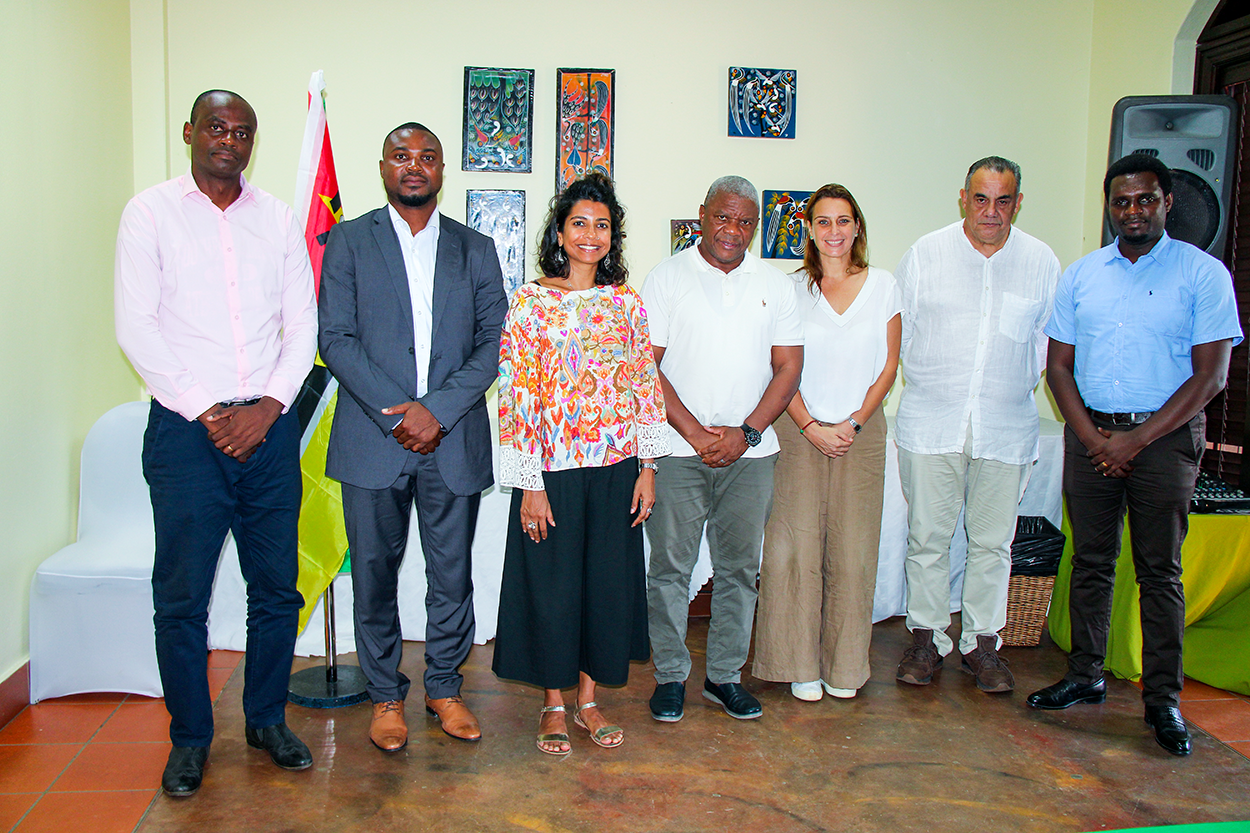
Earlier this month, our team, together with partners from the Mozambique LNG Foundation, met with H.E. Governor Valige Tauabo to present the project. The Governor offered his full endorsement and suggested future expansion to additional districts. We also engaged with the Chiúre District Administration, where District Administrator Isaura Maquina welcomed the initiative and provided full government support. With this strong foundation, the +VALOR project is now ready to begin.
Laying the Groundwork
February 2026 marked a productive start for the +VALOR Project as foundational activities moved forward across multiple fronts. The recruitment of 10 Field Extension Officers and one agronomist was completed, building the team that will drive implementation on the ground. The baseline survey questionnaire was also finalized, tested, and uploaded to KoboToolbox, ready for deployment.
Strategic Partnerships
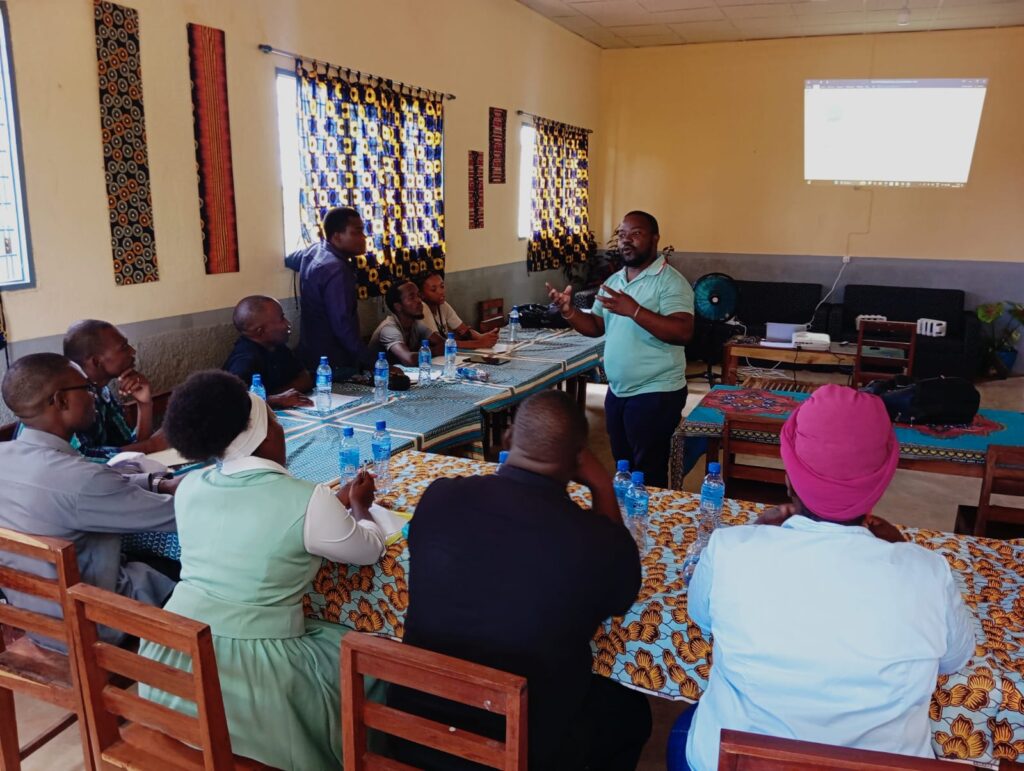
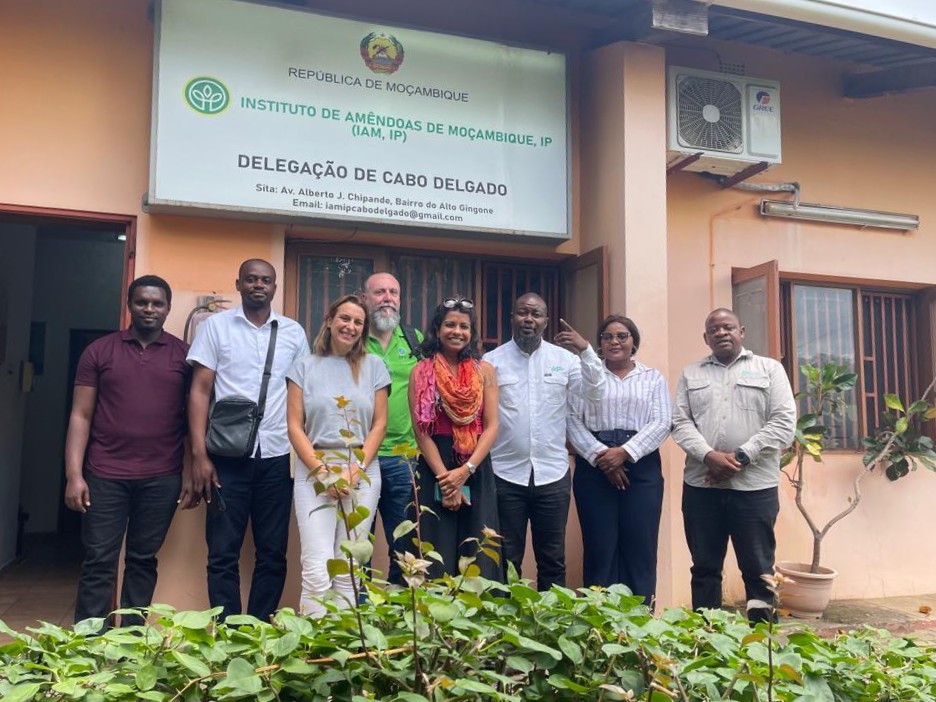
Strategic engagement with key stakeholders shaped much of the month’s work. Meetings with the Aga Khan Foundation, FRUTICAD, and the Mozambique Institute of Cashew provided valuable insights into local agricultural initiatives and opened doors for potential collaboration.
A significant engagement took place with the Instituto de Investigação Agrária de Moçambique (IIAM) — the Government of Mozambique’s principal institution for agricultural research and innovation. Discussions with IIAM focused on establishing a collaborative framework to support agricultural development, strengthen seed systems, and enhance food security. IIAM is expected to play a technical role in the sesame seed multiplication process, providing basic seed, field‑level technical support, and certification through its laboratory services. This collaboration will be formalized through a Memorandum of Understanding.
What’s Next for +VALOR
In April, EFF will begin conducting a baseline survey to profile the community in the project areas and capture historical data. The following month, the team in Mozambique will identify farmers and youth interested in beekeeping and mobilise them to form beekeeping associations. Plans are also in place to begin producing 15 metric tonnes of sesame seeds, an important cash crop, to enhance farmer incomes, supported by the provision of farm inputs and other interventions.
With staff in place, strong partnerships forming, and full government backing secured at both provincial and district levels, +VALOR is well positioned to move into its next phase of implementation.
+VALOR Project: Valorização Agrícola com Ligação a Oportunidades de Rendimento
(Agricultural Value Addition with Links to Income Opportunities)