
Inside EFF Zambia’s SAFE Project
Inside EFF Zambia’s SAFE Project
Mutinta Muleya is Project Coordinator for EFF Zambia’s SAFE project in Southern Province. With over 14 years in agriculture, she’s leading 1,250 farmers toward a deforestation-free, carbon-positive soybean value chain.
Hello from Itezhi-tezhi
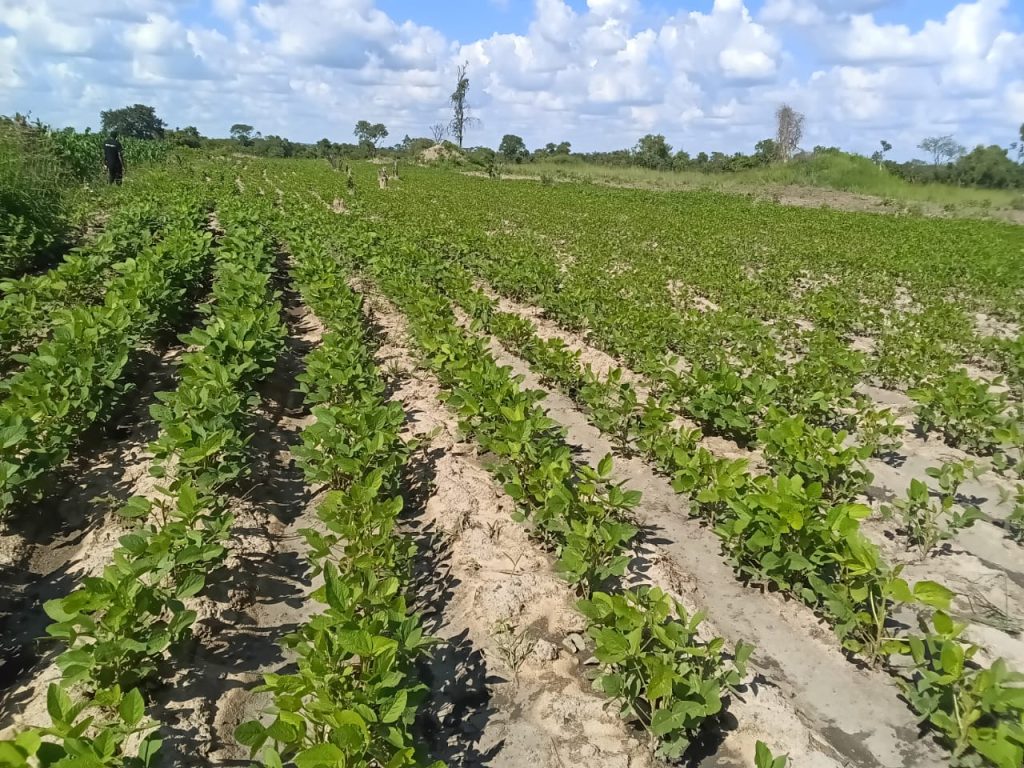
I’m Mutinta Muleya, coordinating EFF Zambia’s SAFE (Sustainable Agriculture for Forest Ecosystems) project in Southern Province. From January 2025 to December 2026, we’re working with 1,250 farmers across 1,250 hectares to build a scalable model for organic soybeans. Our goal: create a thriving, deforestation-free value chain that boosts farmer incomes while meeting regulated market demands.
Why Soybean
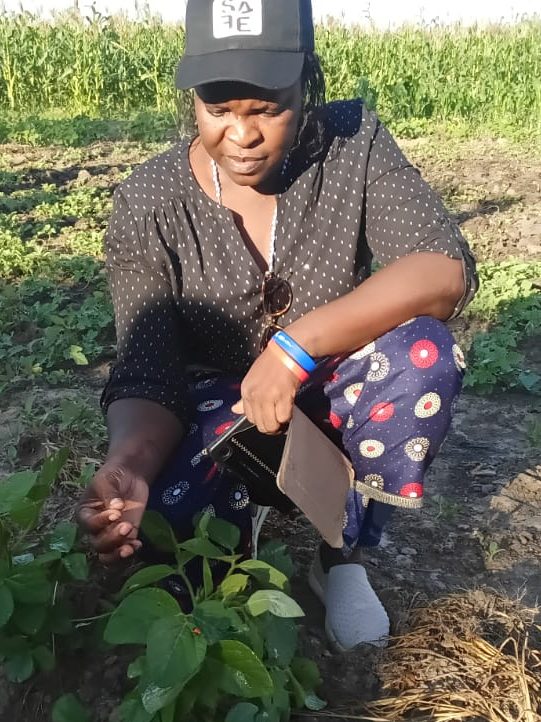
In semi-arid Southern Province, soybean is a cornerstone of food security and economic resilience. It provides affordable, high-quality protein that combats rural malnutrition. Economically, it offers reliable income through consistent demand from Zambia’s livestock and feed industries.
As a nitrogen-fixing legume, soybean naturally enriches soil, reducing synthetic fertilizer costs and improving yields for crops like maize. It’s also drought-tolerant, fitting seamlessly into climate-smart systems that help farmers recover from dry spells.
The SAFE Project in Action
Our mission is twofold: increase incomes for 1,250 farmers and achieve EU Deforestation Regulation (EUDR) certification for their organic soybean harvest.
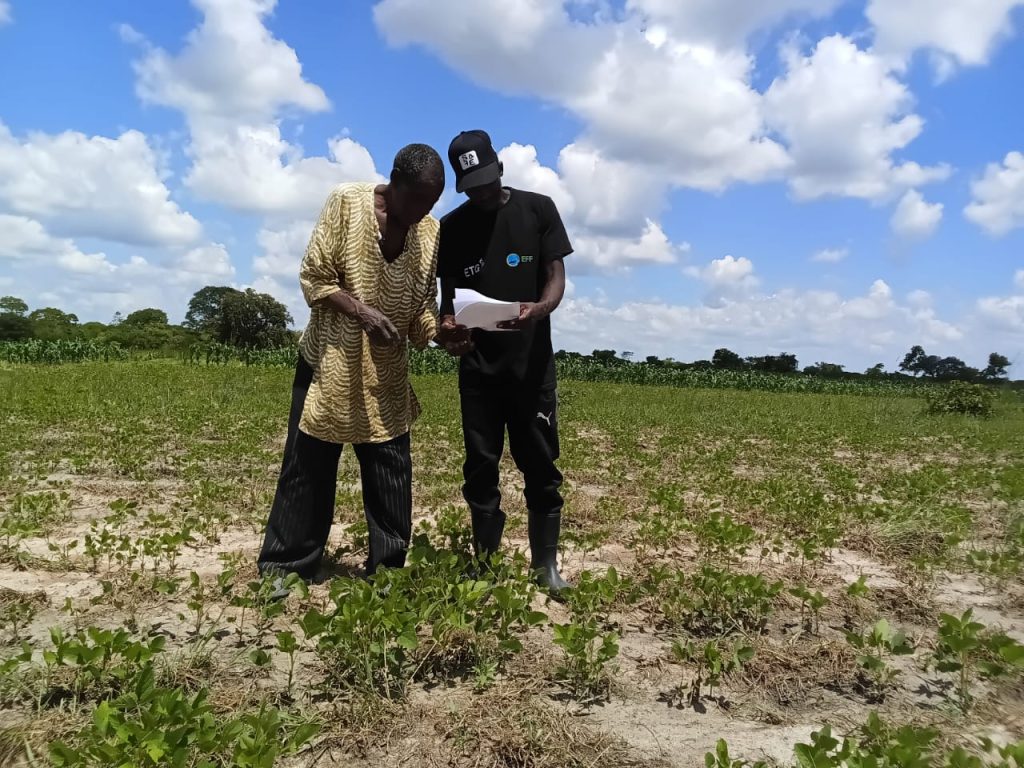
Our team is embedded in the community. We train farmers, coordinate with government and traditional leaders, and monitor fields daily. A critical part of our work is building a robust traceability system, tracking every bean from farm to market. This allows our farmers to confidently access premium global markets.
Currently, all 1,250 farmers have planted their organic soybean. We’ve registered three farmer cooperatives and conduct continuous training tailored to each crop stage.
The main challenge? Infrastructure. Heavy rains have made some rural roads impassable, temporarily delaying activities. But our farmers’ commitment remains unwavering.
Training and the Year Ahead
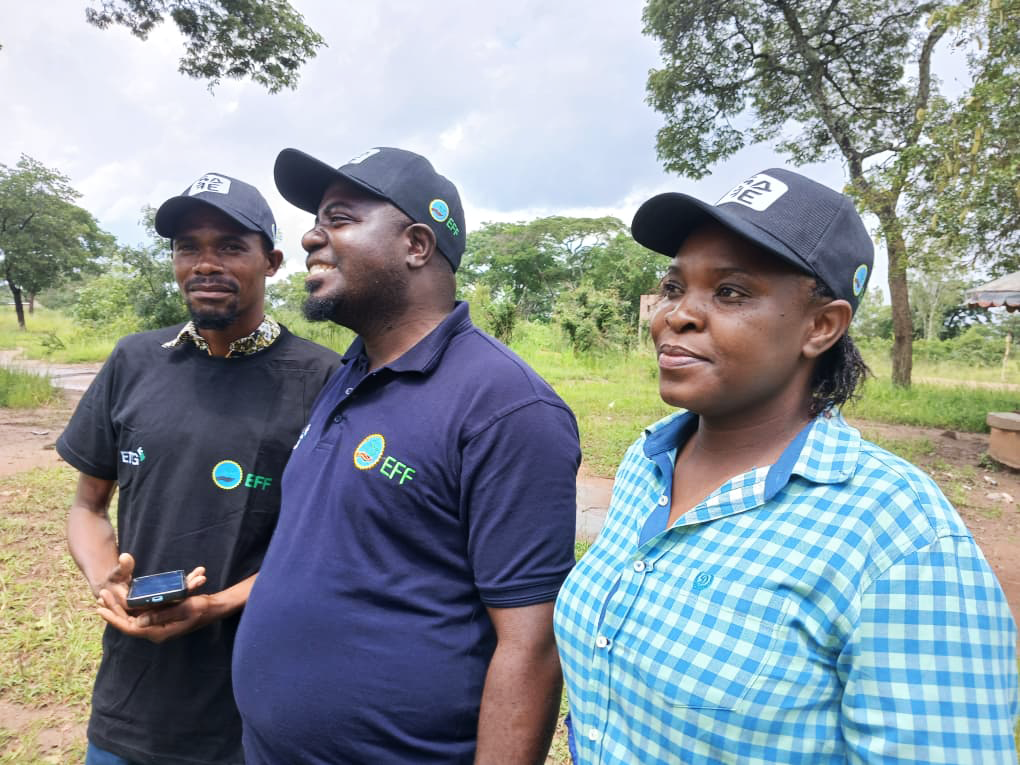
We’ve trained all 1,250 farmers in sustainable, deforestation-free practices. To keep knowledge accessible, we’ve engaged 125 Lead Farmers — community champions who provide peer-to-peer support. Training follows the crop from seed to harvest.
As we enter our final year, our focus is sharp: perfecting our traceability system to prove our soybean is produced sustainably and without deforestation. We aim to leave behind a proven, scalable model that boosts farmer livelihoods for generations.
— Mutinta Muleya, Project Coordinator, SAFE Project, EFF Zambia