
From Seed to Sweet Success: How Cocoa is Transforming Futures in Mlimba District, Morogoro Region
From Seed to Sweet Success: How Cocoa is Transforming Futures in Mlimba District, Morogoro Region
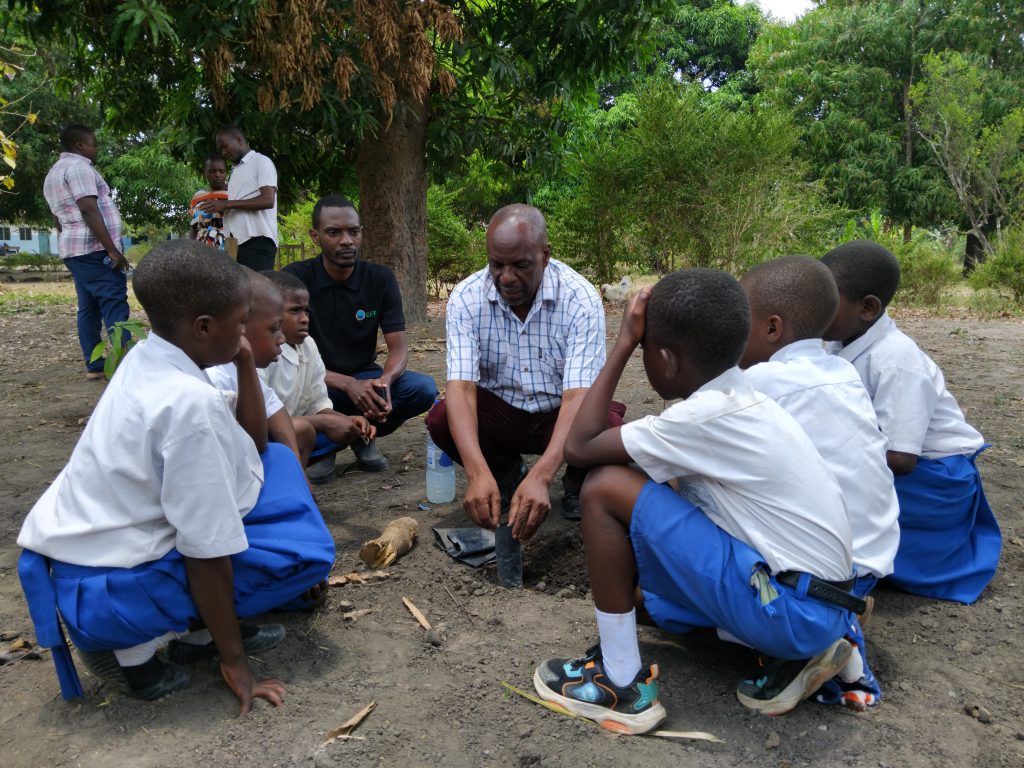
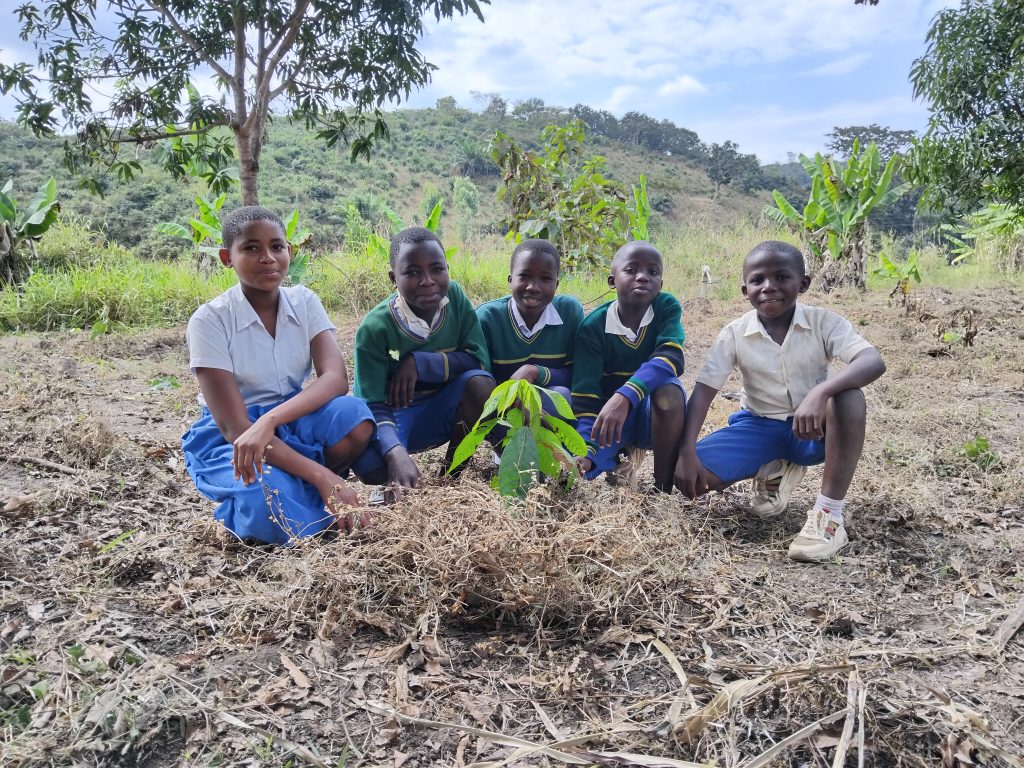
Taita Secondary School in Mlimba, Tanzania, is home to a unique farm. Every morning and evening, students visit the school’s cocoa farm, checking on young trees that they’ve personally named and nurtured. Under the guidance of their Environment teacher, every student in forms two through four tends to two cocoa seedlings, applying mulch, monitoring growth, and watering the seedlings especially during dry season. Activities like this help students scientific farming practices firsthand. This initiative is more than a school project; it’s creating an appreciation for farming and planting the seeds for viable career while teaching the next generation how to grow cocoa responsibly.
This school farm represents just one branch of the broader Mlimba Community Cocoa Project (MCCP), launched by Empowering Farmers Foundation Tanzania in 2023. What began as a nursery producing 500 seedlings has since expanded across seven schools in the ward, generating over 20,000 seedlings annually and integrating a nutrition component through amaranth intercropping. Supported by local government and embraced by the community, the project promises to boost income, nutrition, and climate resilience across Morogoro region.
A Sweet Opportunity in the Global Chocolate Market
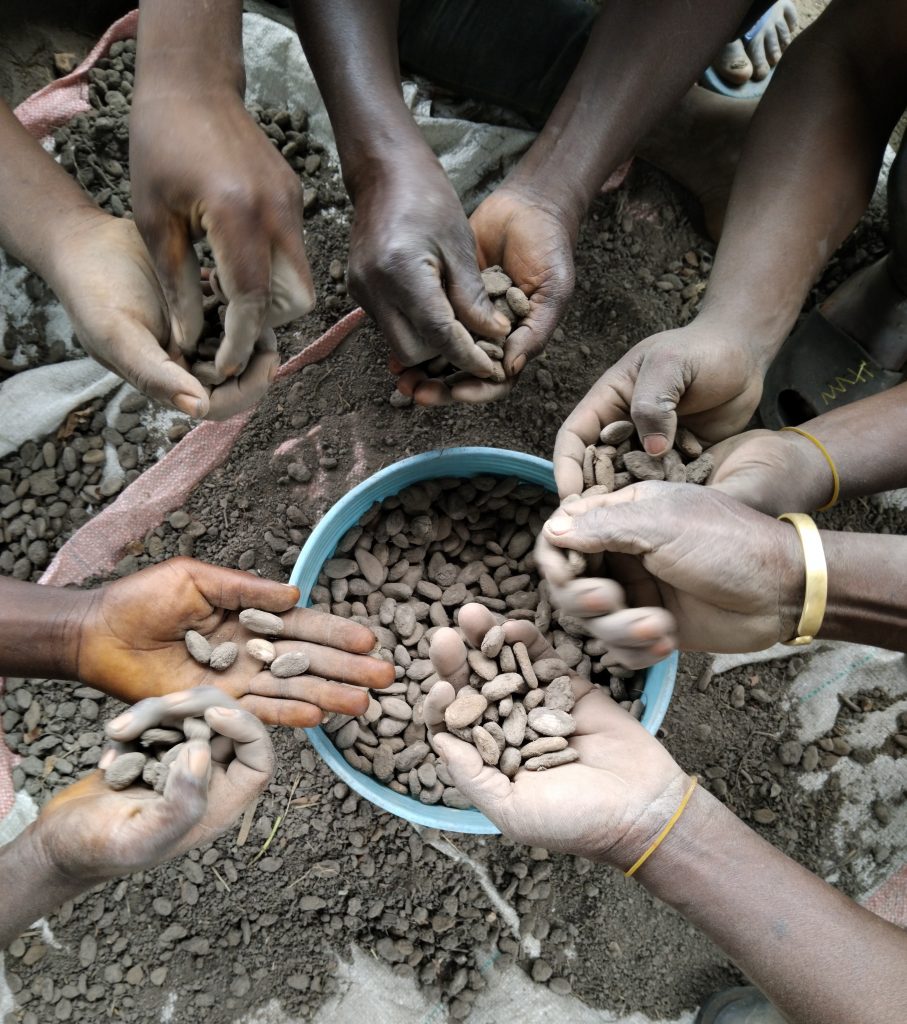
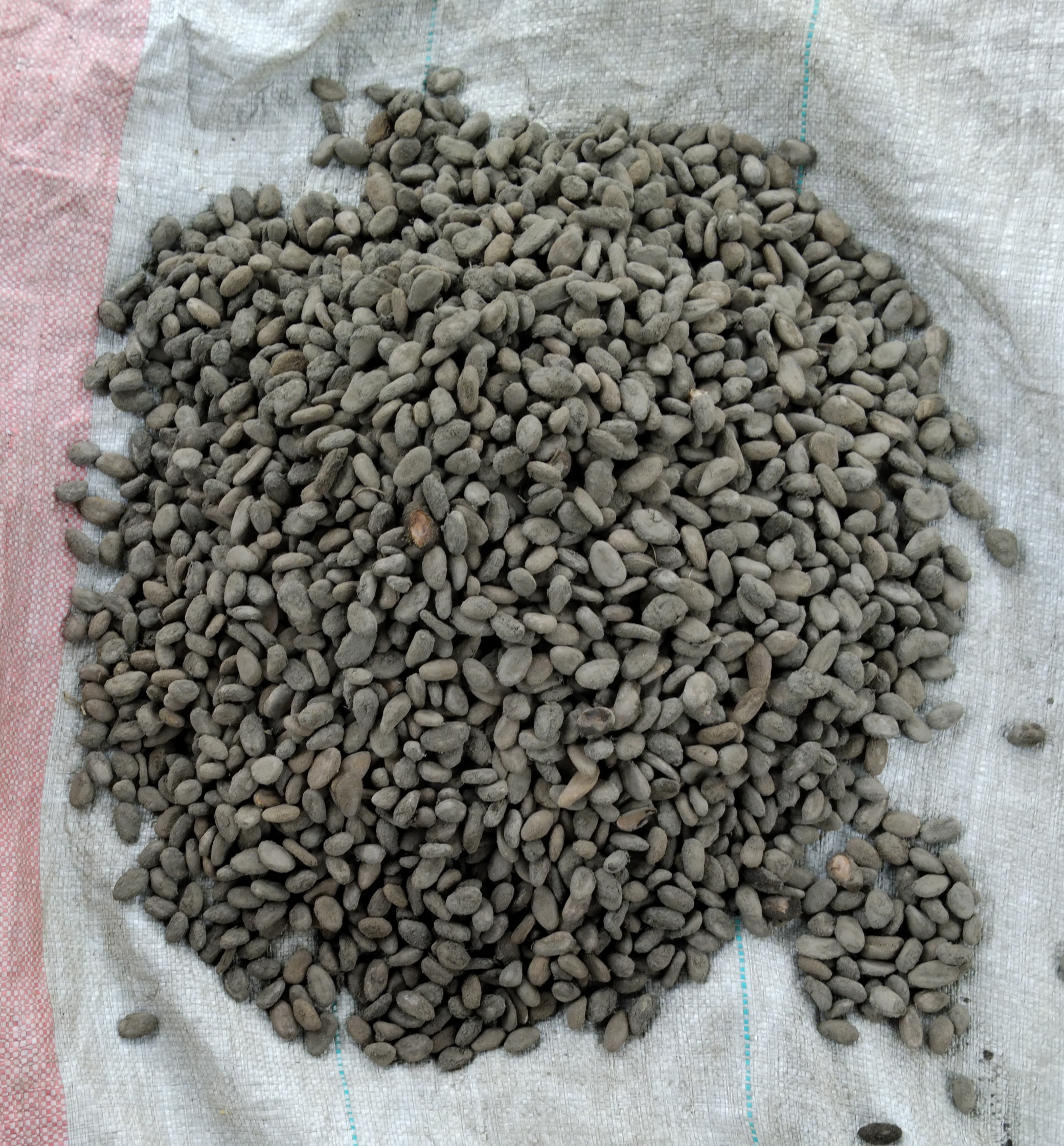
The global chocolate market is valued at billions of dollars. Yet Tanzania, despite cultivating cocoa since the 1960s, has remained on the sidelines. Whereas West African nations dominate production, Tanzania possesses untapped potential. Through rigorous feasibility studies, soil sampling, and collaboration with institutions like Sokoine University of Agriculture and the International Institute of Tropical Agriculture, EFF Tanzania confirmed that Mlimba’s land is highly favorable for cocoa. By identifying high-performing local varieties of cocoa that can produce fine quality cocoa, and applying lessons from West Africa, Tanzania is poised to become a recognised cocoa origin.
Rooted in Research, Built with Communities
Before launching the Mlimba Community Cocoa Project, EFF conducted a baseline survey of over 1,000 households across five villages. The findings revealed concerning poverty levels, limited infrastructure, and a clear need for sustainable livelihoods. Based on this and other research, EFF is developing a program that can empower the farmers of the area. In time this project will enforce a zero deforestation policy, and help farmers sell their produce to foreign markets. Based on learnings from the shortcomings of the cocoa value chain in West Africa, the Foundation endeavours to create a culture of ethical labour practices for Tanzania’s cocoa value chain, and provide living incomes for farmers.
To date, the project has trained 300+ farmers in nursery management, best practices for cocoa farming, and soil health, all while touching the lives of students, teachers, and families. Our nurseries, with their locations in schools, have become education hubs for the farmers of the Mlimba community, young and experienced alike. In the 2025 -2026 season, EFF aims to plant 20,000 new cocoa seedlings in the region, creating a foundation for a robust Tanzanian cocoa export market.
Looking Ahead
Freddy Leonce, EFF Tanzania Country Head, emphasizes that “empowering farmers isn’t just about providing seedlings. It’s about building knowledge, fostering resilience, and creating market access.” In the coming years, EFF plans to support 12,500 households in adopting cocoa farming, linking them to buyers, and helping them thrive in the global cocoa value chain. From the classrooms of local schools to the farm, cocoa is brewing up sweeter futures for Tanzania’s rural communities.