
The Tukuze Agroforestry Project: Taking a look behind the numbers
The Tukuze Agroforestry Project: Taking a look behind the numbers
Tukuze, meaning “let’s grow” in Kiswahili, is EFF’s flagship initiative in Kilifi County, implemented in partnership with ETG Climate Solutions. a for-profit company amplifying decarbonization and supporting climate-positive initiatives within ETG.
The Tukuze Agroforestry Project aims to integrate cashew and moringa tree planting on smallholder farms across 50,000 hectares of coastal Kenya, enhancing both environmental resilience and farmer prosperity.
Beyond the Numbers
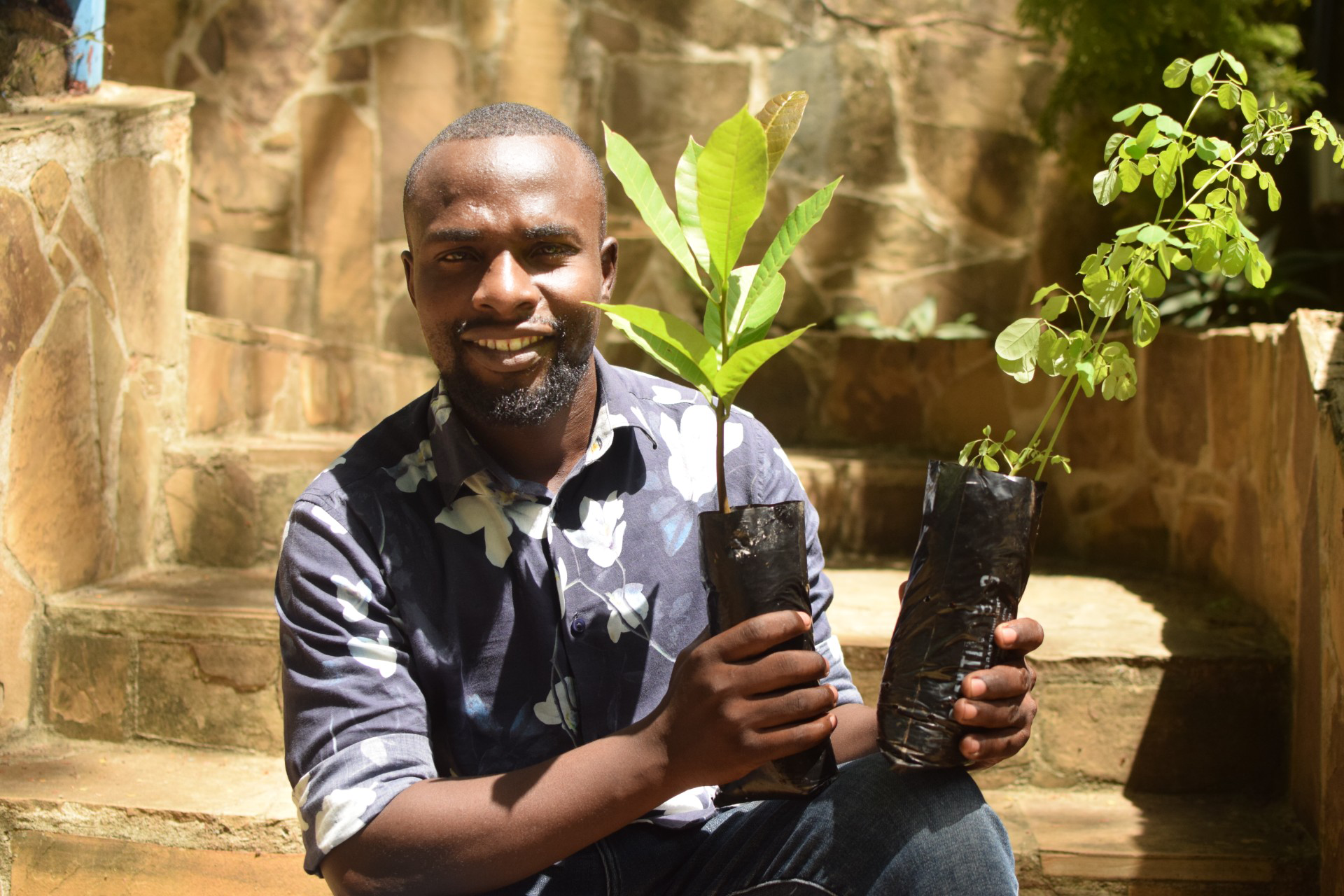
Victor Odhiambo, Monitoring and Evaluation Officer at EFF Kenya, working on the Tukuze Agroforestry Project. Victor walks us through the project’s numbers, its monitoring systems, and the milestones ahead as EFF expands to new counties along Coastal Kenya.
Kicking off in 2024, EFF Kenya and ETG Climate Solutions have onboarded over 30,000 small-scale farmers in a phased approach across 23 wards of Kilifi County to plant 250 trees on each hectare of land. So far, we have planted over 12,000 hectares and are gap filling the seedlings lost to mortality in previous planting seasons. By 2035, we estimate that the trees we are planting will yield 30,000 MT of moringa seeds, a kilo of which can be sold for USD 1, and 50,000 MT of raw cashew which can be sold at USD 0.5/kg.
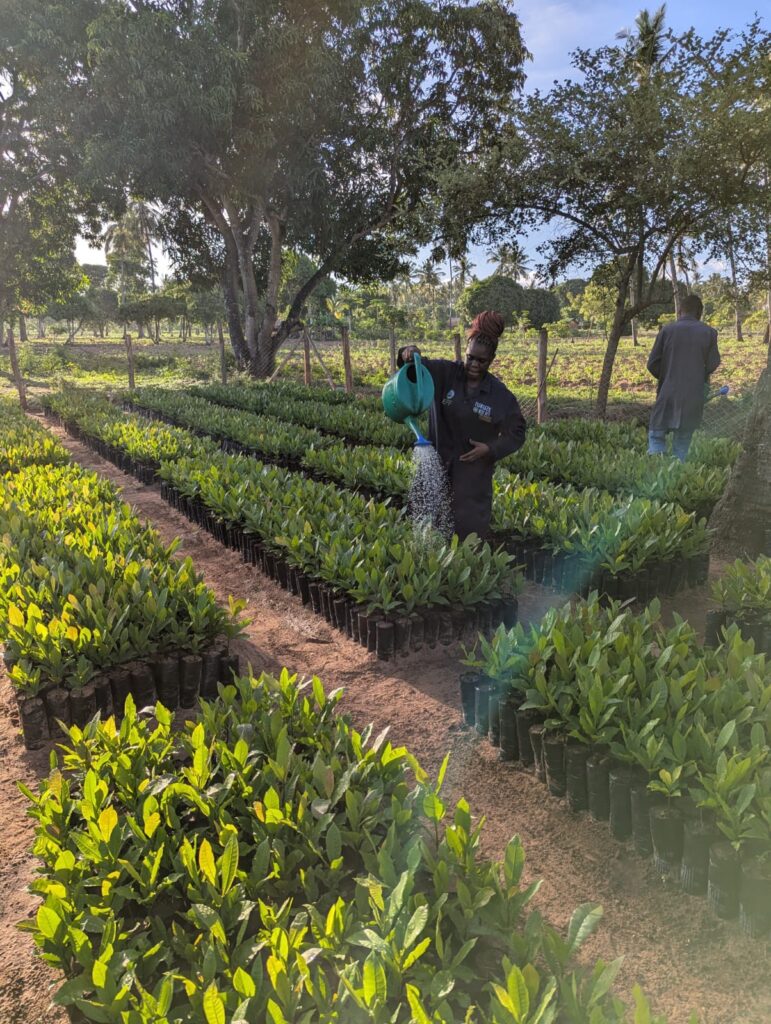
As of May 2026, TAP is nearing the end of seedling distribution for this planting season. This season we have produced 733,000 cashew seedlings and 1,200,000 moringa seedlings. An additional 230,000 moringa seedlings were produced for farmers to use for household consumption. We did this with over 450 employees, composed of about 200 seasonal hires.
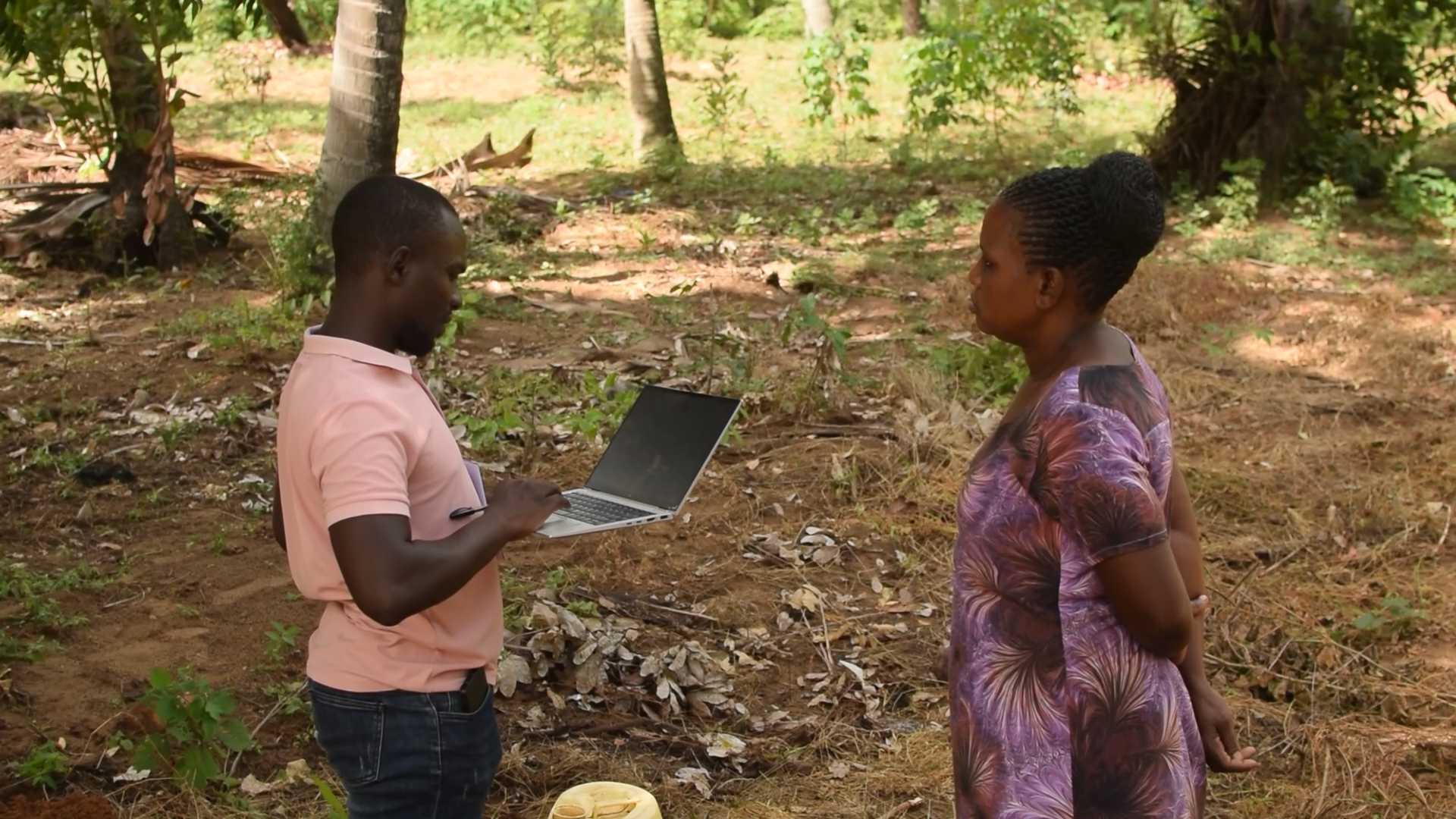
The Monitoring and Evaluation officer builds on EFF’s value of agility: understanding the problems faced on the field and creating solutions for them in real time.
Looking ahead, the project aims to expand into Kwale, Lamu and Taita Taveta Counties, with the ambition to onboard an additional 18,000 farmers in the coming year. Victor is part of the team conducting initial activities in these areas, speaking with county governments, cooperatives, and of course, farmers, to get the lay of the land.
“We saw that there is huge interest from farmers on the coast,” says Victor. EFF has spoken to over 700 farmers to plan for this expansion. “When you talk about cashew it’s like you’re touching their heart. You are reminding them of a historical time of cashew trade. In the coastal region we had many processing companies. Many people will tell you they went to school because of cashew.”
Why Monitoring Never Stops at EFF
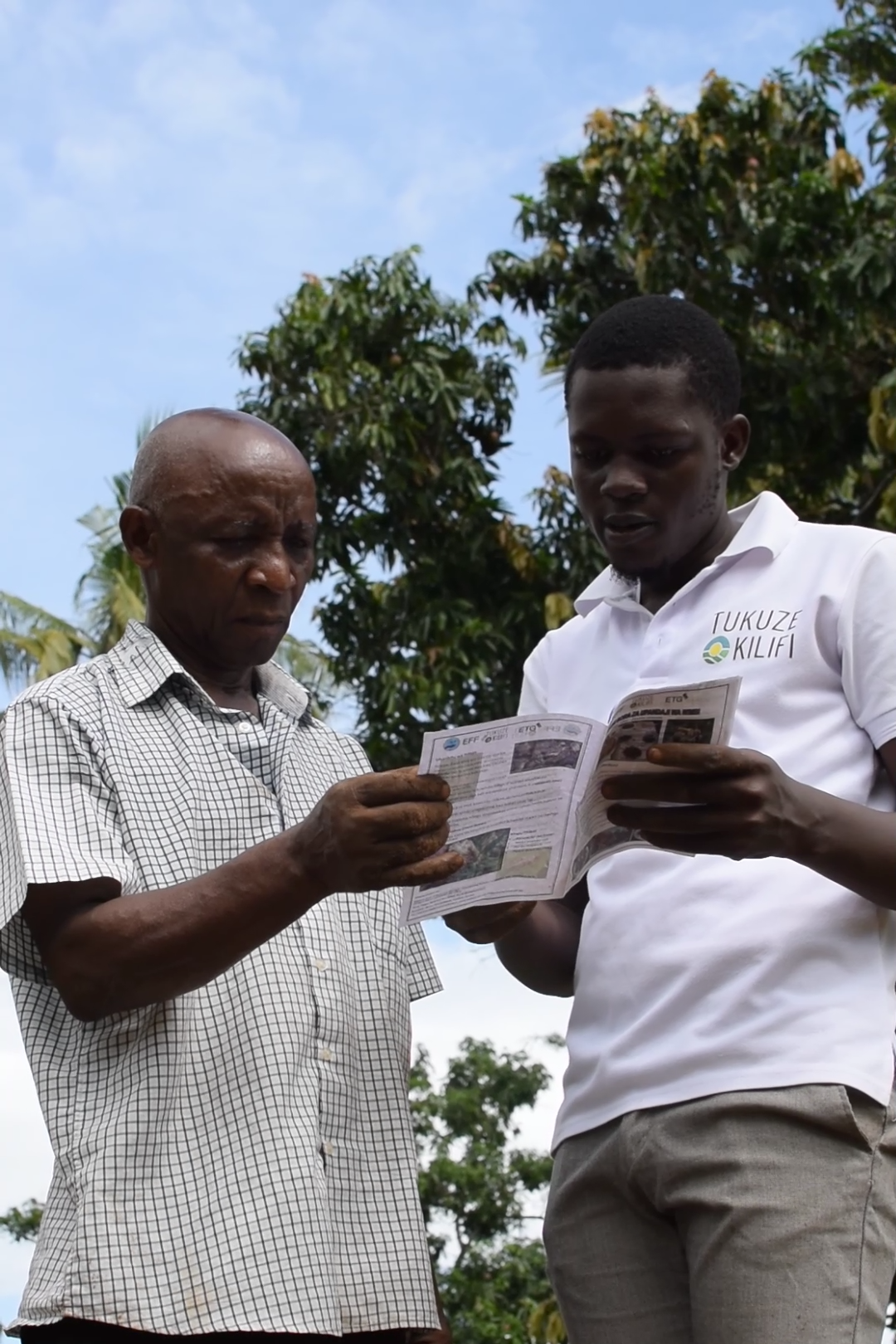
M&E is not a one‑time reporting exercise at EFF. It is a continuous learning and adaptive management process that enables the project to identify challenges early, demonstrate impact to partners, and ensure farmers are the primary beneficiaries. “A key part of my work is analysing field data to identify trends and generate insights,” Odhiambo explains.
Each quarter, the project ensures that that every Field Extension Officer has conducted farm visits to gain information on how EFF can improve its quality of service to farmers. During distribution, there is strong communication between our nursery staff, FEOs, farmers, data officers, and the M&E office. Having learnt that moringa seedlings were being damaged when transported from their nurseries, the department came up with a unique solution: tying the young seedlings’ stems together for their journey to give them strength in unity. Early indicators in the seedling distribution process suggest that moringa mortality due to transport has reduced sharply.
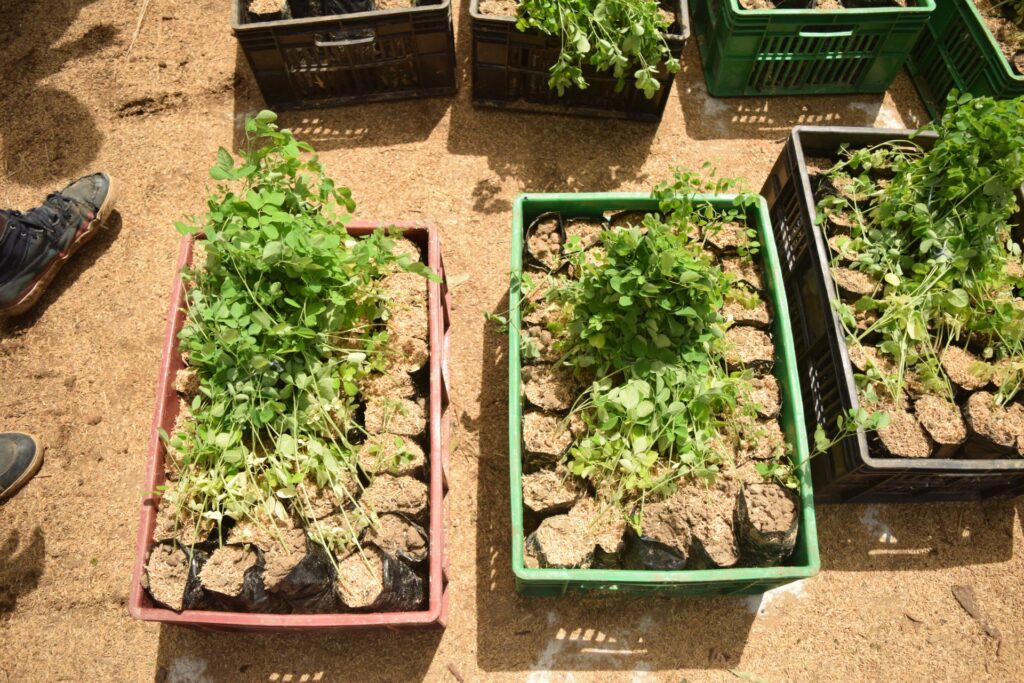
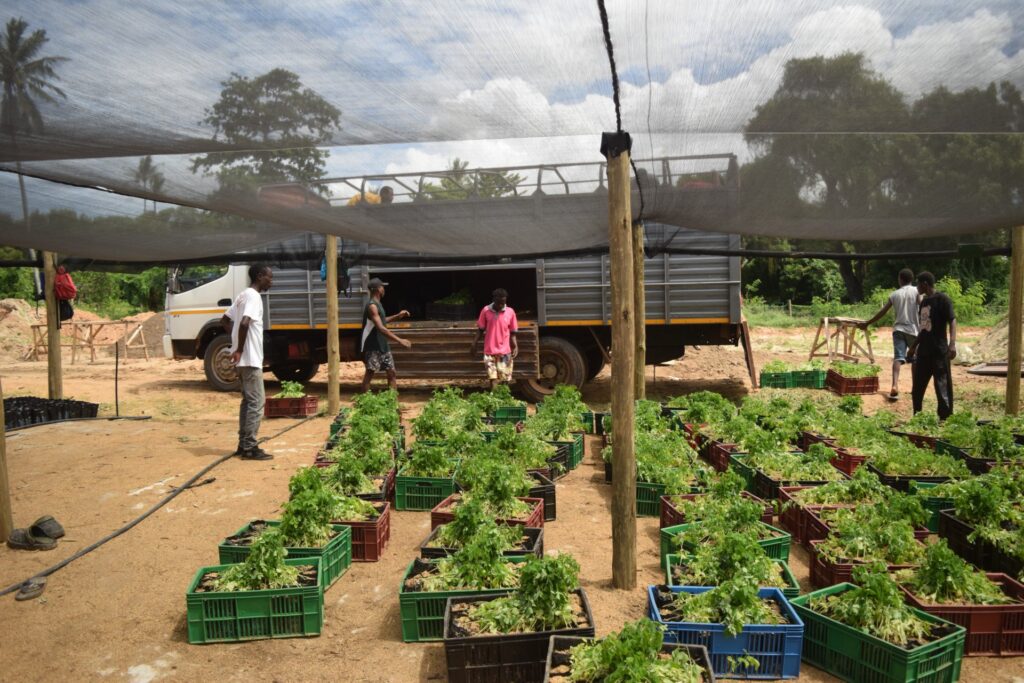
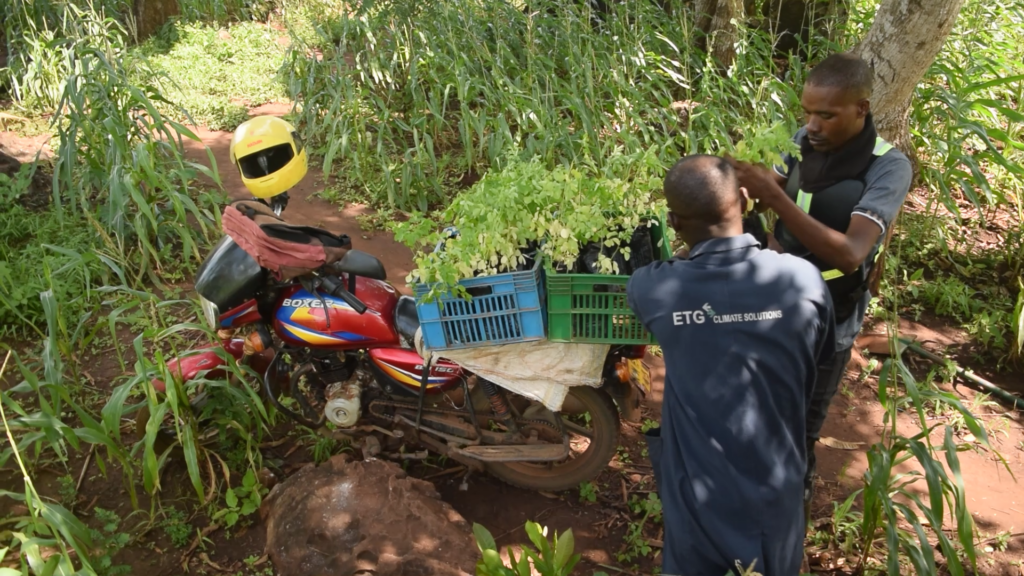
There is another trend Victor has been keeping his eye on this planting season. Of the 16,311 farmers who have received seedlings since late April 2026, 5,397 collected them at nursery points, while 9,990 received seedlings at home. FEOs have been given the time and mobility needed to carry seedlings to each farm. The department has a highly regulated and highly communicative system, with nursery officers and data managers speaking to each other daily, updating dashboards in real time and problem solving on the go.
“We are doing a lot in Kenya in terms of planting trees,” says Victor. “Our project is farmer‑centred. Other projects give seedlings and disappear. We provide tools, field extension, and stay connected.” He continues, “Our key focus is to ensure that farmers receive the support they need to achieve their full potential in cashew and moringa production.”
Tools, Challenges, and the Road Ahead
From survival rates to farmer feedback, how the Tukuze Agroforestry Project tracks progress and what milestones lie ahead.
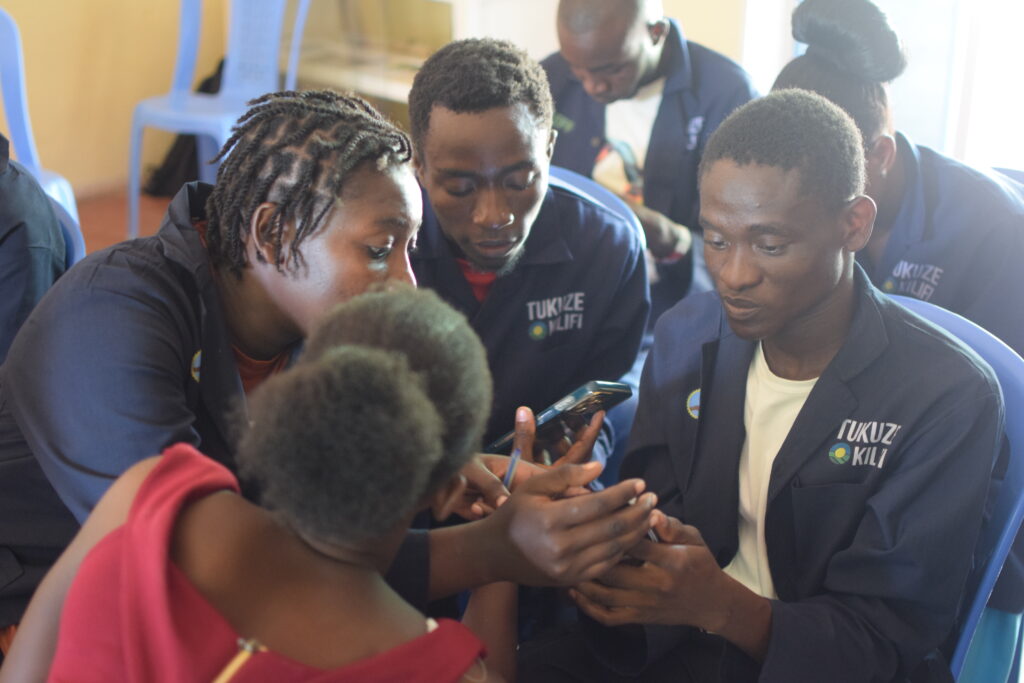
The Tukuze Agroforestry Project monitors tree survival rates, adoption of Good Agricultural Practices, farmer training participation, and market linkages. We do this through a series of regular reports and meetings, backed with data from digital tools. Crosscutting indicators such as youth employment, gender participation, and inclusion of persons with disabilities are also tracked.
Monitoring tools include KoboToolbox, ODK, GPS plot mapping through Mapsense, and of course, several Excel sheets. Farmer feedback is collected through surveys, interviews, and focus group discussions. In partnership with ETG Climate Solutions, EFF has created a system through which our partners can share their feedback, called the Stakeholder Grievance Redressal Mechanism (SGRM). Grievances can be received through multiple channels, like EFF’s grievance desks, suggestion boxes, email, our toll-free line, FEOs themselves and community representatives. “The process integrates international best practices and culturally appropriate conflict resolution methods,” says Maureen Mwanza, the project’s Grievances Officer. Grievances are promptly acknowledged within 2-3 days, and systemically investigated, with updates provided to complainants. “The mechanism emphasizes fairness, transparency, confidentiality, and timely resolution,” she adds.
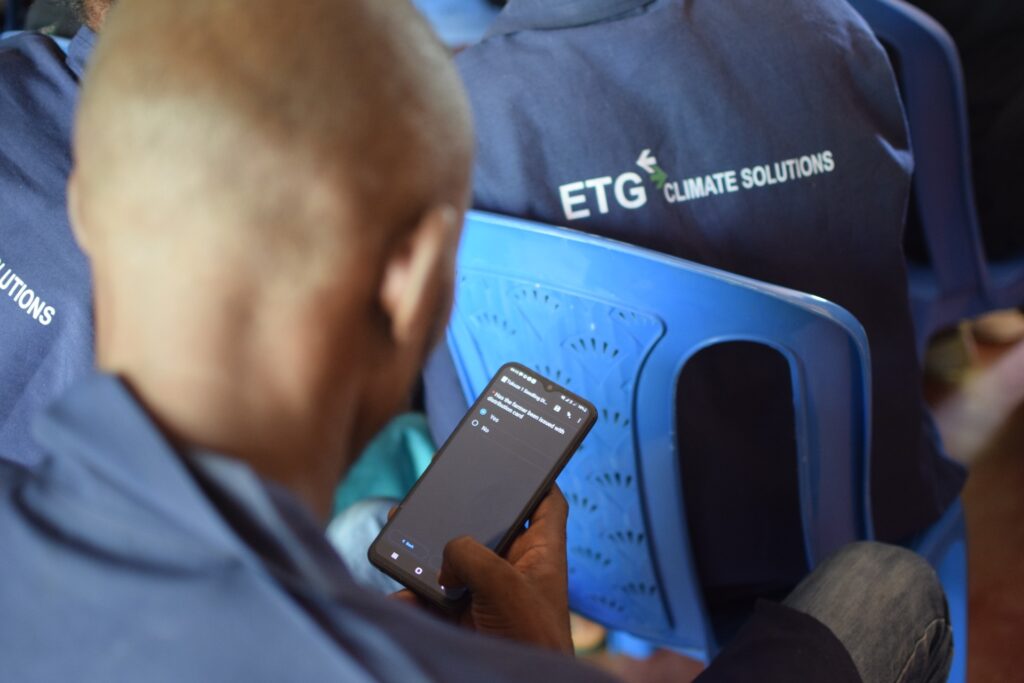
“Coordination with field officers is carried out through weekly check‑in meetings, WhatsApp groups for quick updates, and joint field visits to verify data,” says Victor. “Challenges we face are poor network connectivity in remote areas, varying levels of technical capacity, and natural lag between implementation and measurable outcomes.”
Victor is involved in supporting ETG Climate Solutions in the development and roll-out of their Agroforestry Monitoring App (AMA). “This is a tool we want to provide to field operators that will make us more connected to the farmers. Through the AMA we can work together to ensure that trees are surviving and that EFF is giving farmers good quality service. That means we aren’t just getting data on tree health but also targeting farmer livelihoods. We are still in development stage and will be able to deploy in July 2026.”
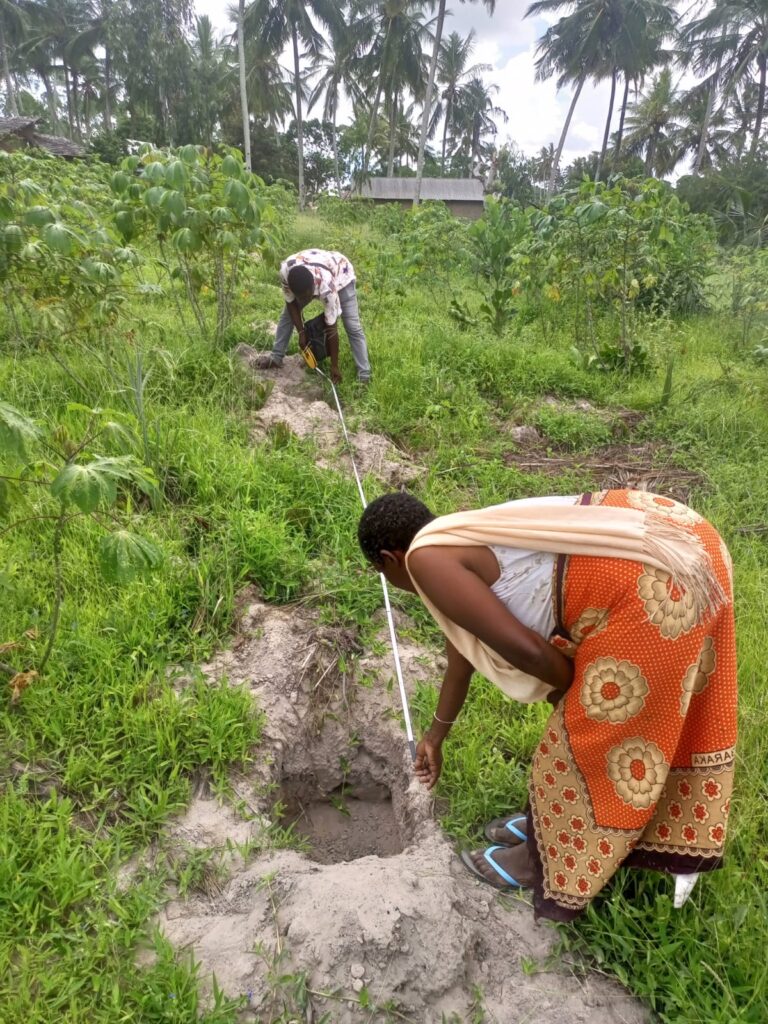
The Tukuze Agroforestry Project monitors tree survival rates, adoption of Good Agricultural Practices, farmer training participation, and market linkages. We do this through a series of regular reports and meetings, backed with data from digital tools. Crosscutting indicators such as youth employment, gender participation, and inclusion of persons with disabilities are also tracked.
Monitoring tools include KoboToolbox, ODK, GPS plot mapping through Mapsense, and of course, several Excel sheets. Farmer feedback is collected through surveys, interviews, and focus group discussions. In partnership with ETG Climate Solutions, EFF has created a system through which our partners can share their feedback, called the Stakeholder Grievance Redressal Mechanism (SGRM). Grievances can be received through multiple channels, like EFF’s grievance desks, suggestion boxes, email, our toll-free line, FEOs themselves and community representatives. “The process integrates international best practices and culturally appropriate conflict resolution methods,” says Maureen Mwanza, the project’s Grievances Officer. Grievances are promptly acknowledged within 2-3 days, and systemically investigated, with updates provided to complainants. “The mechanism emphasizes fairness, transparency, confidentiality, and timely resolution,” she adds.
The Tukuze Agroforestry Project is the largest agroforestry project of its kind in this region of Kenya. “At this scale, the project will involve the planting of millions of trees, positioning EFF Kenya and ETG Climate Solutions strategically in alignment with national priorities like Kenya’s goal of planting 15 billion trees by 2032 under the National Tree Growing and Restoration Campaign. This alignment reinforces the project’s national relevance and contribution to climate change mitigation and environmental restoration.”