
Soil to Society: Building Solidarity Through Smallholder Farming
Soil to Society: Building Solidarity Through Smallholder Farming
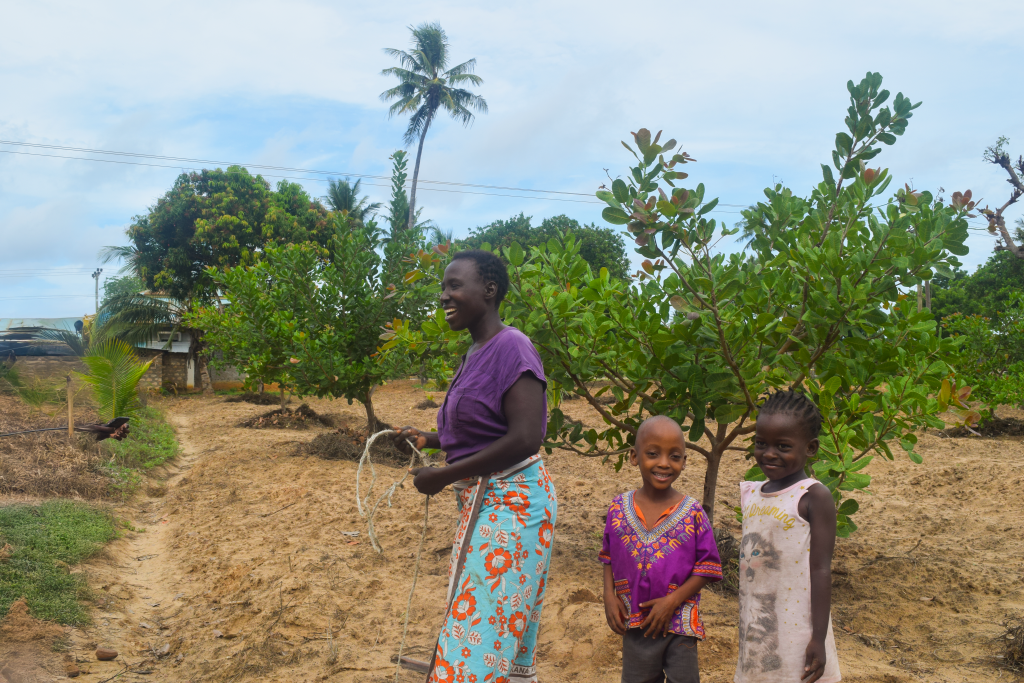
This International Human Solidarity Day 2025, we reflect on a simple truth: no community is an island. No community thrives alone. In the face of climate change, food insecurity, and rising inequality, solidarity is a moral value and a strategy for resilience. At the heart of EFF’s work across Eastern and Southern Africa lies a deep belief in the strength of communities, especially farmer communities. These rural communities are the first to feel the impact of global crises and the last to be heard.
Solidarity among farmers begins at the root. In rural regions where formal support systems may be limited, farmers form their own safety nets. Community nurseries, cooperatives, seed banks, and peer-to-peer training groups become the bedrock of resilience. These local systems are not just about agriculture; they’re about trust, shared knowledge, and mutual upliftment. When one farmer learns how to graft, rotate crops, or intercrop, that knowledge is passed on. When a community water pond is dug, dozens of farms grow stronger.
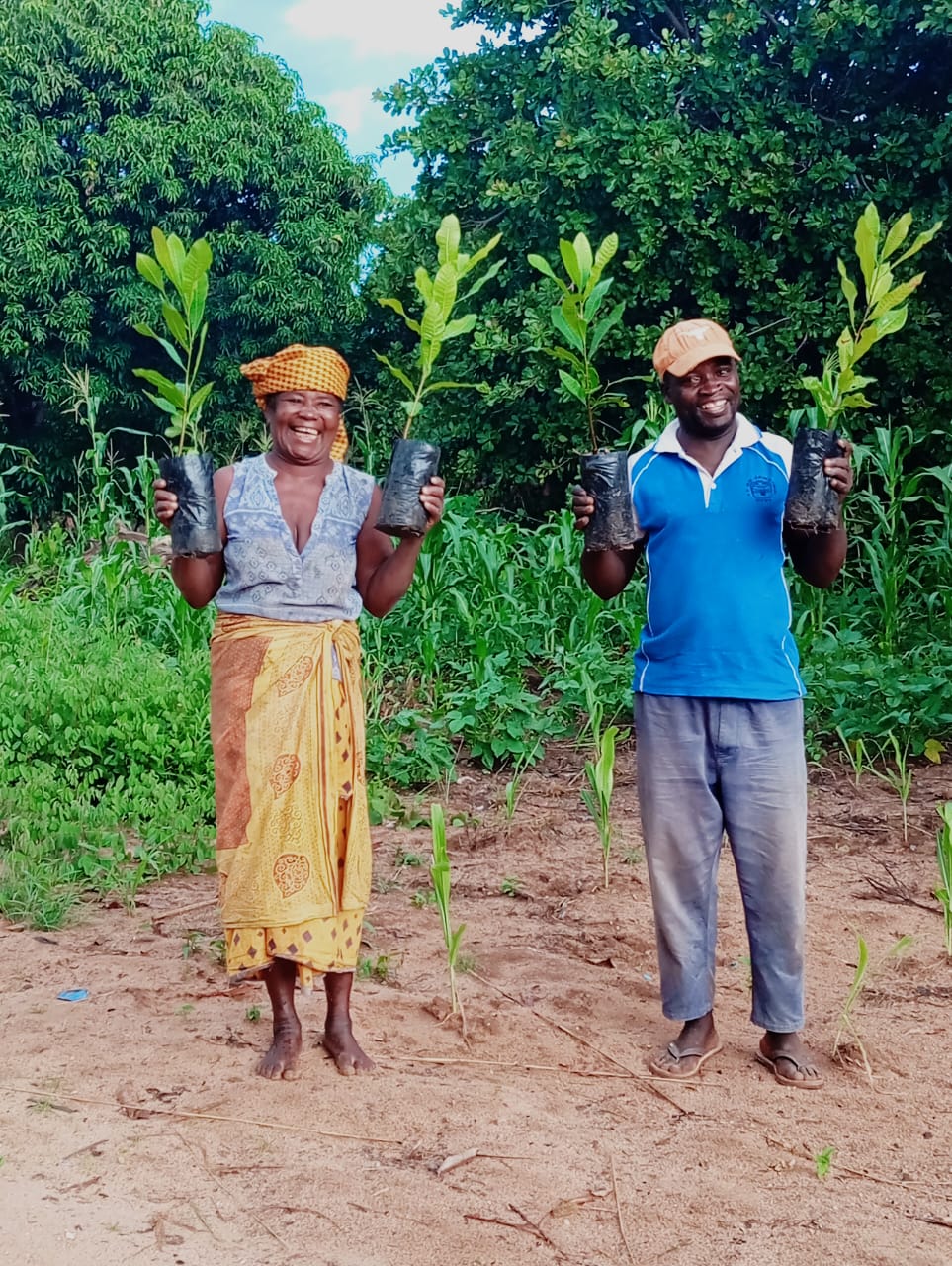
EFF’s Mlimba Community Cocoa Project in Tanzania began small, with a few hundred seedlings planted on school grounds. But it was the local farmers, teachers, and extension officers who transformed this initiative into a larger intervention. Today, over 20,000 cocoa seedlings have been distributed to smallholder farmers across the region, with 20,000 more set to be planted in the 2025 planting season (December). Our partner farmers aren’t just recipients, they’re learners, trainers, and stewards of the land.
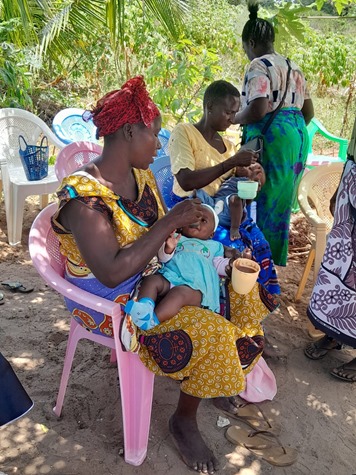
EFF’s role in our communities of operation is not to direct from above, but to stand alongside farmers, amplify what works, bring technical expertise, and to link them to markets that may otherwise be out of reach. In Kenya’s Kilifi County, for example, EFF supported the establishment of a cashew farmer cooperative, which has an offtake arrangement directly with one of Kenya’s premier processing factories, also based along the Coast. This partnership helps to reduce the loss of money to middlemen.
Solidarity also means acknowledging intersecting inequalities. Women make up a majority of smallholder farmers in many of the regions where EFF works, yet they often face disproportionate barriers to land, financing, and training. EFF intentionally designs programmes that prioritize gender equity, knowing that empowering women farmers leads to healthier families and stronger communities. Our project with AfDB’s AFAWA (Affirmative Finance Action for Women in Africa) works directly with women entrepreneurs operating across different facets of the agricultural value chain; whereas our nutrition programs address young mothers, sensitizing them to dietary science; and yet other programs give women farmers leadership roles in farmer groups. Out of our 120+ full time field extension staff in Kenya, 40% are women. Of the 42,000 farmers registered to our Tukuze Kilifi project, 55% are women.
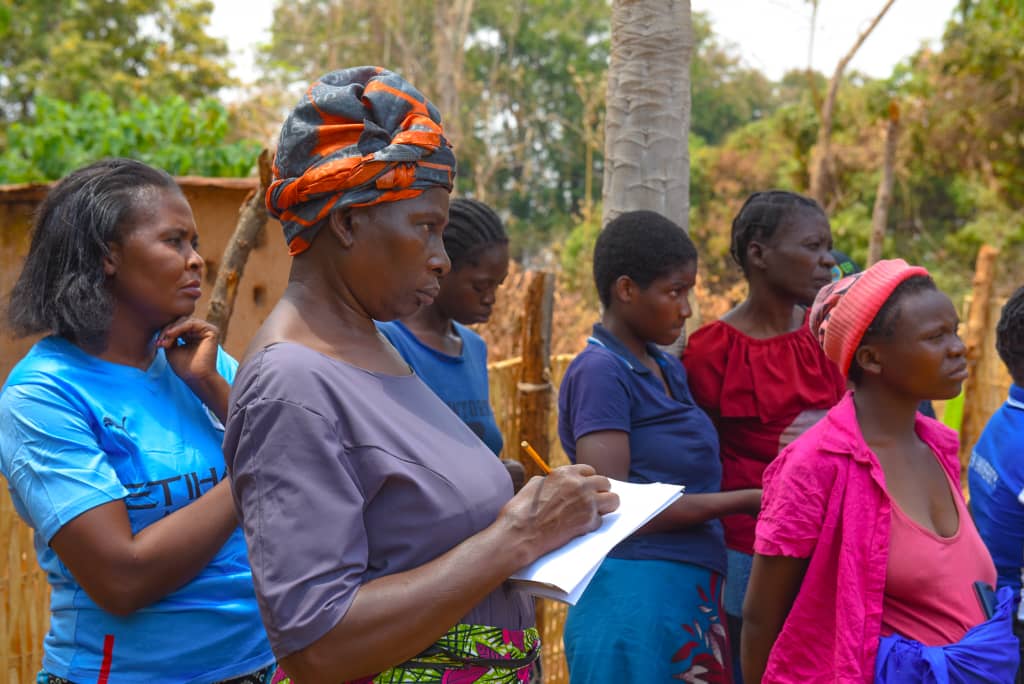
As the world races to meet the Sustainable Development Goals, we must remember that smallholder farmers are not the beneficiaries of development, they are its front line. Supporting them through climate-smart agriculture, community development, and fair market access is an act of global solidarity that benefits us all.
Today, we honour the spirit of cooperation, shared growth, and resilience that defines rural communities across Africa. Solidarity, after all, is not just an idea — it’s a tree we cultivate together.